
Libera — supply chain forced labour risk screening
50 million people are held in modern slavery right now — and almost every one of them works inside someone's supply chain. Libera finds the signals before they become statistics.
Worker signals received
0
Confidential reports in the secure channel
Supply chain nodes screened
0
Suppliers, sites and labour agencies
Countries in the risk model
0
ILO, Walk Free and US DOL TVPRA data
Cost to a worker
€0
Free and confidential, always

(b) — Why it matters
Behind every data point is a human story.
This platform restores the link between corporate responsibility and human dignity. Suppliers are screened against the ILO indicators of forced labour, and the people who actually work there get a confidential channel of their own.
- Scored against the eleven ILO indicators of forced labour
- Country data from Walk Free and the ILO Global Estimates
- A worker channel that costs the worker nothing, ever
Workers
Is something wrong at work?
You can report withheld wages, threats, recruitment debt, restricted movement or confiscated documents.
Scan to speak up confidentially
Free · no app · multiple languages
On-site activation
Compliance cannot stop at the boardroom.
Every Libera company rollout connects the digital console to the real workplace with printable, multilingual QR posters. Workers need no app or account. Compliance teams receive protected, grouped warning signals instead of another annual survey.
Physical printing and placement are agreed during implementation. The preview shown here is illustrative; the final poster can carry the customer's site details and branding.
See the founding pilotLive console — sample portfolio
24 monitoredFabriek X — Dhaka
Textile & garments · 800 workers
ELEVATED
Leverancier B — Łódź
Logistics & transport · 310 workers
ELEVATED
Leverancier A — Amsterdam
Retail · 120 workers
LOW
Risk indicator · not an accusation
(c) — The scale
Forced labour is a supply chain problem before it is a criminal one.
50 million
people living in modern slavery on any given day (2021)
ILO / Walk Free / IOM, Global Estimates of Modern Slavery, 2022
27.6 million
of them in situations of forced labour
ILO / Walk Free / IOM, Global Estimates of Modern Slavery, 2022
US$236 bn
annual illegal profits generated from forced labour
ILO, Profits and Poverty: The economics of forced labour, 2024
86%
of forced labour is imposed in the private economy
ILO / Walk Free / IOM, Global Estimates of Modern Slavery, 2022
What this is, and is not
Libera produces indicators of elevated risk, not legal accusations. Scores are built from published ILO, Walk Free and US DOL data so a reviewer can always trace why a supplier moved — and decide, as a human, what to do next.
(c) — How it works
Five steps from supplier list to defensible documentation.
01
Map the chain
Import suppliers, sites and labour providers by spreadsheet or API. Each node gets a country, sector, workforce size and recruitment model.
02
Screen against indicators
Every node is scored against the eleven ILO indicators of forced labour, combined with sector and regional risk data.
03
Open a worker channel
A QR poster on site gives workers a confidential reporting page in their own language. No name, no location, no employer permission.
04
Cluster the signals
Reports that individually look minor are grouped by site, recruiter and indicator, so a repeated pattern becomes visible.
05
Act and document
Escalate to investigation, record remediation steps and export a dated report your auditors and regulators can follow.
(d) — Scoring framework
The eleven ILO indicators of forced labour
Screening scores map to this framework instead of a private black box, so a reviewer can always see which indicator drove a score up.
(e) — Pattern detection
at one site
One worker saying their passport is held is an incident. Nine of them, independently, is a pattern — and a pattern is what a regulator expects you to have noticed.
(f) — Regulatory landscape
Due diligence stopped being voluntary.
CSDDD
European Union
Corporate Sustainability Due Diligence Directive
Requires in-scope companies to identify, prevent and mitigate adverse human rights impacts in their own operations and chains of activities.
EU FLR
European Union
Forced Labour Regulation
Prohibits placing on the EU market products made with forced labour, with authorities empowered to investigate and order withdrawal.
UFLPA
United States
Uyghur Forced Labor Prevention Act
Creates a rebuttable presumption that goods linked to Xinjiang are made with forced labour and barred from import.
MSA
United Kingdom
Modern Slavery Act 2015, s.54
Requires larger businesses to publish an annual statement on steps taken to prevent modern slavery in their operations and supply chains.
LkSG
Germany
Lieferkettensorgfaltspflichtengesetz
Obliges companies to run risk analyses, preventive measures and a complaints procedure across their supply chains.
ÅPL
Norway
Transparency Act (Åpenhetsloven)
Requires due diligence on fundamental human rights and decent working conditions, plus a public account and a right to information.
(g) — Built for
(h) — The movement
A chain is only as clean as the site nobody is watching.
Every node you add is screened against country prevalence, state response, sector intensity, official lists and your own operating model — so the quiet corners stop being quiet.
Free for workers, forever
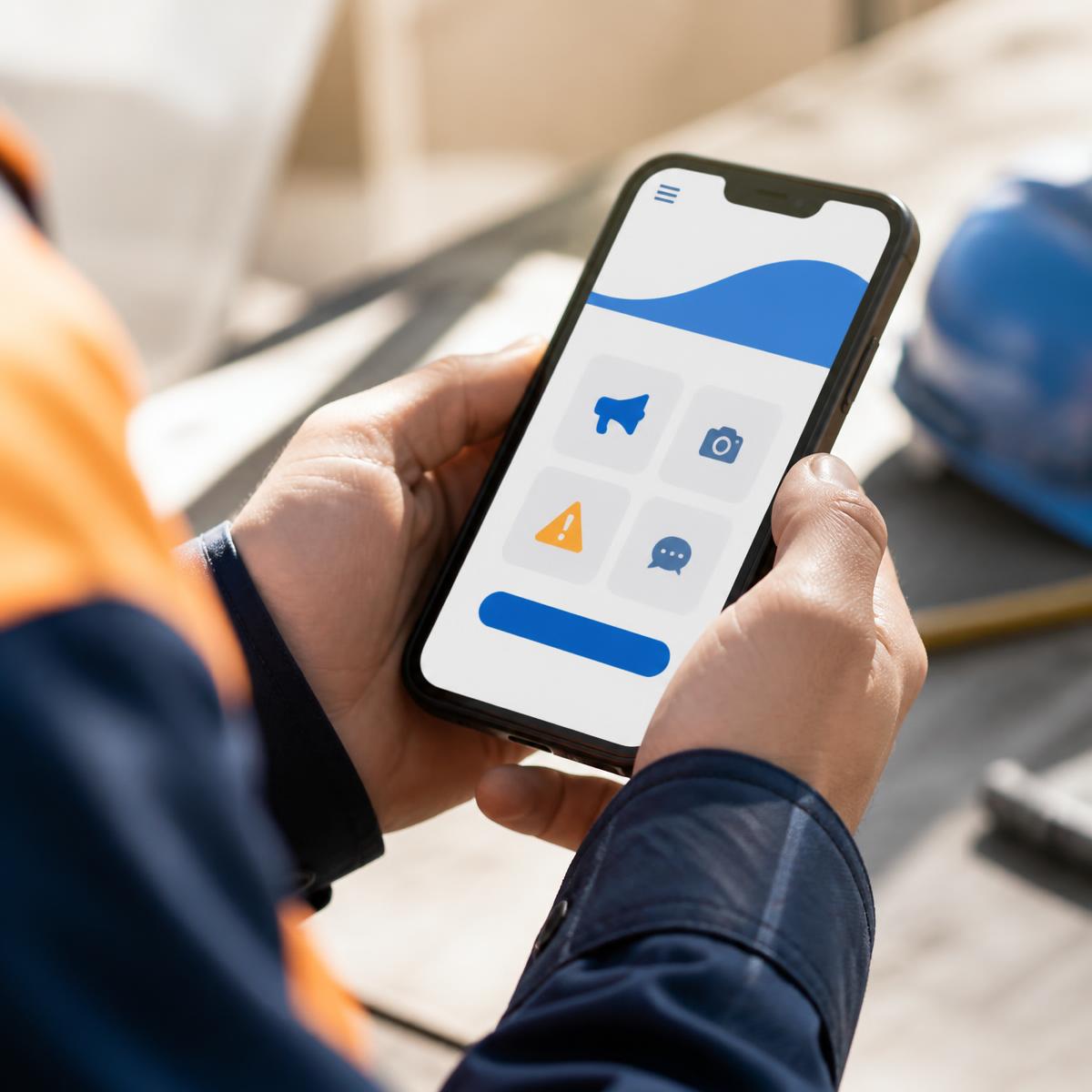
One scan. One voice. No name required.
A poster on the wall is all it takes. Confidential, in their own language, with a quick exit button on every screen.
See the worker channel(h) — Questions
Does Libera accuse suppliers of human trafficking?
No. The platform produces risk indicators that require human verification. A HIGH score means the conditions associated with forced labour are present, not that an offence has occurred. Every export carries that wording.
Is a worker report traceable back to the person who sent it?
The reporting page asks for no name, phone number or location, and the supplier never sees an individual report — only aggregated indicator counts once a cluster threshold is met.
Which frameworks does the documentation support?
Reports are structured around the ILO indicators of forced labour and map to CSDDD, the EU Forced Labour Regulation, UFLPA, the UK Modern Slavery Act, the German LkSG and the Norwegian Transparency Act.
What happens when something serious is reported?
The case is flagged for investigation in the console with an audit trail of who saw it and what was done. Libera is a due diligence tool, not an emergency service — urgent danger belongs with local authorities or a national helpline.
(i) — Start
Screen your first supplier in the next five minutes.
Workers never pay. Companies pay for the console, the reporting channel and the documentation.